

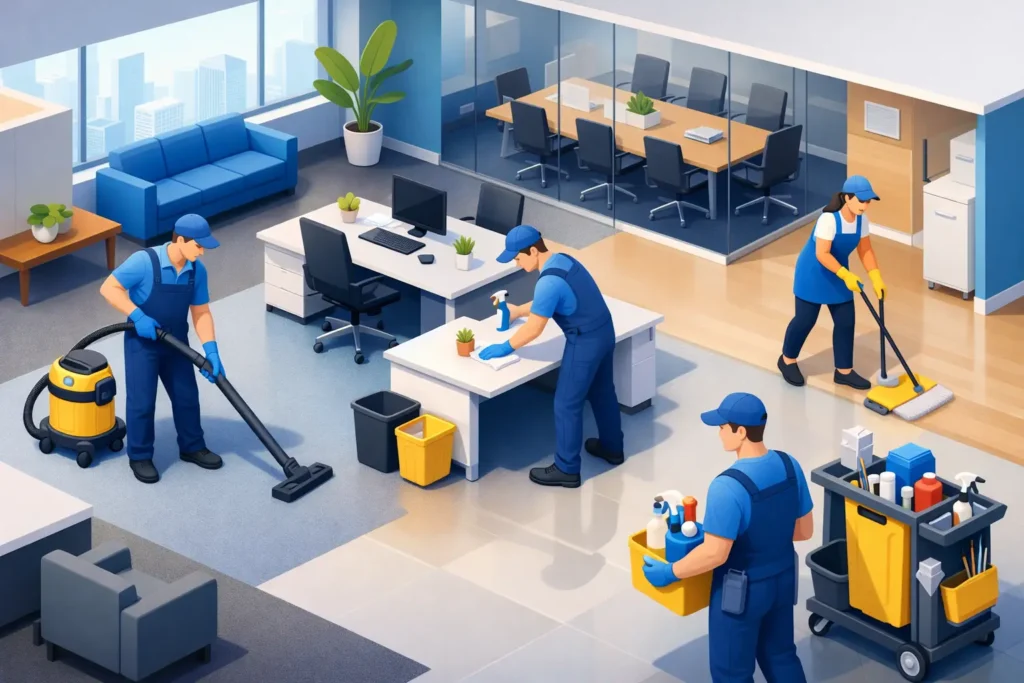

A missed bin collection, dusty desks and toilets that lose freshness by midday usually tell you the same thing – your current cleaning schedule is too light for the way your office actually runs. If you are asking how often should offices be cleaned, the honest answer is not “daily” or “weekly” across the board. It depends on headcount, foot traffic, shared facilities, industry requirements and how much mess your team creates between visits.
For most offices, the right approach is a structured schedule with different tasks completed at different frequencies. That keeps the space presentable, reduces hygiene risks and avoids paying for unnecessary hours where they are not needed. A one-size-fits-all schedule rarely works for long, especially once the office grows or usage patterns shift.
How often should offices be cleaned in practice?
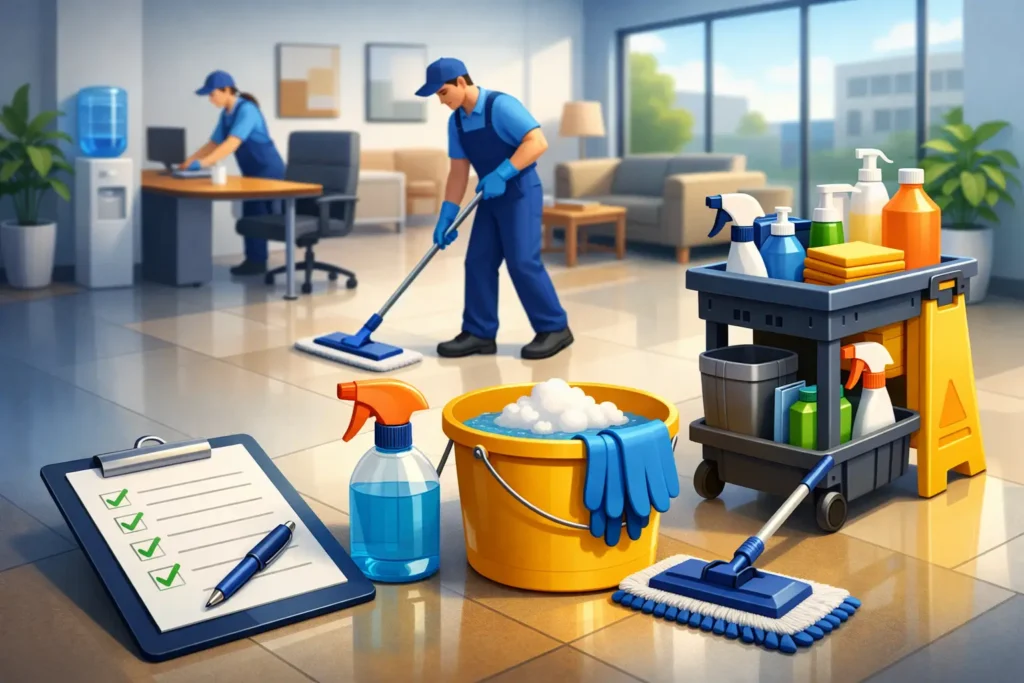
A practical office cleaning plan usually combines daily, weekly and periodic tasks. Daily attention is best for bathrooms, kitchens, rubbish removal, entry areas and other high-touch or high-traffic spaces. Weekly cleaning often covers more detailed dusting, glass spot cleaning, floors in lower-use areas and general presentation work. Periodic deep cleaning handles carpets, upholstery, internal windows, hard floor restoration and neglected build-up that routine cleaning will not fully remove.
A small professional office with ten staff and limited visitor traffic may only need a light clean a few times per week, provided bathrooms and kitchen areas are still maintained properly. A larger office with daily visitors, meeting rooms in constant use and shared amenities may need cleaning every weekday. If the office includes medical consulting rooms, childcare spaces or food handling areas, expectations and compliance needs are higher again.
The better question is not simply how often to clean. It is which areas need cleaning, how often, and to what standard.
The areas that drive cleaning frequency
Bathrooms and washrooms
These should almost always be cleaned daily in any occupied office. In busier workplaces, they may need attention more than once per day. Toilets and washbasins affect both hygiene and perception. If these spaces look neglected, staff and visitors assume the rest of the site is managed the same way.
Daily servicing should include disinfecting touchpoints, restocking consumables, cleaning mirrors and fixtures, mopping floors and removing rubbish. Where multiple tenants or shift workers use the same facilities, frequency should increase to match usage.
Kitchens and breakout areas
Office kitchens collect mess quickly. Benches, sinks, appliance handles and tables are shared surfaces, which makes them a hygiene risk as well as a visual one. In most workplaces, these areas need daily cleaning, especially if staff eat on site.
If the kitchen includes microwaves, fridges and heavy lunchtime traffic, a deeper weekly clean is also worth scheduling. Otherwise, grease, food spills and odours build up fast.
Workstations and desks
Desk cleaning frequency depends partly on whether staff have fixed workstations or hot desks. In traditional offices, a general wipe-down of accessible desk surfaces can be completed weekly, with staff responsible for keeping personal clutter manageable. In hot-desking environments, daily sanitising makes more sense because multiple people may use the same setup.
Keyboards, mobiles, screens and personal devices need a more careful approach. These items are often better handled under a clear site policy so cleaning is done safely and consistently.
Floors and carpets
Entry areas, corridors, kitchen floors and spaces near printers or common areas usually need daily vacuuming or mopping. Lower-traffic office zones may only need thorough attention several times per week. Carpeted offices still benefit from routine vacuuming because dust and grit wear fibres down over time.
Periodic steam cleaning or deep carpet cleaning should also be built into the schedule. Routine vacuuming improves appearance, but it does not remove everything embedded below the surface.
Meeting rooms, reception and touchpoints
These spaces have a direct impact on presentation. Reception should be kept clean daily because it shapes first impressions immediately. Meeting rooms may need resetting and wiping down after use, particularly in offices that host clients, interviews or internal meetings all day.
Touchpoints such as door handles, lift buttons, handrails and light switches should be cleaned frequently in busy workplaces. These are easy to overlook and often the first surfaces people notice once standards slip.
What affects how often an office should be cleaned?
Staff numbers and visitors
More people means more wear on toilets, kitchens, floors and common areas. An office of eight people behaves very differently from an office of eighty. Visitor traffic matters too. If clients, contractors or delivery staff move through the space every day, cleaning needs rise even if your internal team is small.
Industry and compliance expectations
Not every office carries the same risk profile. A standard corporate workspace may be able to run well on a moderate cleaning schedule. A medical practice, allied health clinic or childcare-related site needs stricter hygiene control. In those environments, cleaning frequency is often driven by risk management as much as presentation.
Layout and shared facilities
Open-plan offices, multiple bathrooms, large kitchens and shared boardrooms create more cleaning demand than compact suites with limited amenities. If your office shares common spaces with another tenancy, usage can become heavier than your own headcount suggests.
Work patterns
Hybrid work has changed office cleaning, but not always by reducing it. Some businesses assume fewer people in the office means they can cut cleaning heavily. Sometimes that works. Sometimes it does not. If your team comes in on the same two or three peak days, those days still generate full traffic in kitchens, bathrooms and meeting rooms.
This is why fixed schedules should be reviewed against actual occupancy patterns. Cleaning should follow usage, not assumptions.
A sensible cleaning schedule for most offices
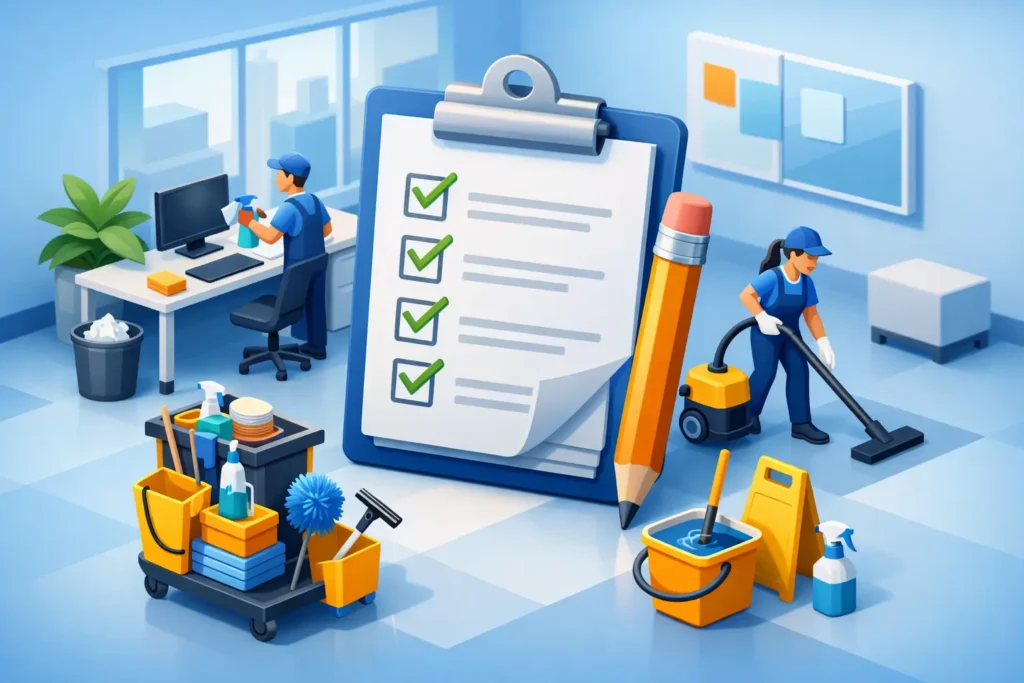
For a typical office environment, daily tasks should cover bathrooms, kitchen areas, rubbish removal, floor care in high-traffic zones, touchpoint disinfection and basic presentation of reception or shared spaces. Weekly tasks can include more detailed dusting, workstation surface cleaning, internal glass spot cleaning, skirting boards and lower-traffic floor areas.
Then there are the less frequent but still necessary jobs. Monthly or quarterly work may include carpet steam cleaning, upholstery cleaning, high dusting, deep kitchen detailing and hard floor machine scrubbing. These tasks are where many offices fall behind, because the site may look acceptable at a glance while grime slowly builds over time.
If you are managing a larger office or multiple sites, the biggest mistake is usually inconsistency. Standards start strong, then drift because there is no clear schedule, no reporting and no accountability when work is missed.
Signs your office needs cleaning more often
If bins overflow before the next visit, bathrooms lose freshness too early, kitchen surfaces stay sticky, or staff quietly start bringing their own disinfectant wipes, your schedule is not matching site demand. The same applies if reception looks tired by the afternoon or carpets start holding odours.
Complaints are only one indicator. Many teams stop reporting issues if they think nothing will change. A better measure is whether the office still looks, smells and feels maintained at the end of a normal business day, not just straight after the cleaners leave.
Why over-cleaning is not always the answer
Some businesses respond to poor standards by increasing all cleaning frequencies at once. That can improve presentation, but it can also waste budget. Not every room needs the same level of attention every day.
A smarter model is targeted frequency. Clean critical areas often. Clean lower-use areas appropriately. Review the schedule as staffing, seasons and business activity change. This keeps costs under control without allowing standards to slip.
That balance matters for office managers and business owners who want reliability without constant follow-up. A structured cleaning plan should reduce management effort, not create more of it.
Getting the frequency right long term
The best office cleaning schedules are built around the site, then monitored and adjusted. If a cleaner is attending regularly but important areas are still missed, the issue may be poor task allocation rather than frequency alone. Clear scopes, regular inspections and visible reporting make a major difference.
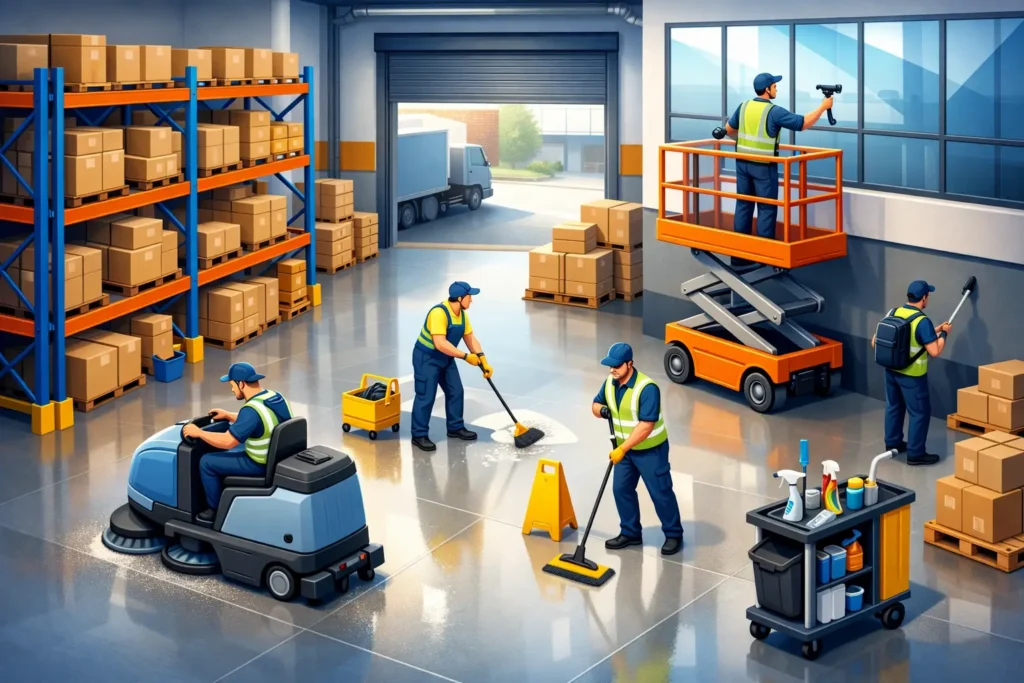
For businesses across South-East Melbourne, especially those managing busy offices alongside warehouses, retail fronts or medical spaces, cleaning works best when it is treated as an operational system rather than an occasional service. That is where long-term consistency comes from.
A clean office should not depend on luck, reminders or whether the usual cleaner turns up. It should be predictable, measured and matched to the way your workplace actually runs. When the schedule is right, staff notice it less – and that is usually the best sign it is working.