



If you’re comparing cleaning quotes and seeing a wide spread in price, you’re not imagining it. How much does steam cleaning cost depends on what needs cleaning, the size of the area, the condition of the surface, and whether the job is residential or commercial. A small carpeted office in good condition will be priced very differently from a high-traffic medical reception area, a restaurant fit-out, or an end-of-lease clean with stain treatment.
For business owners and facility managers, the real question is not just the upfront price. It is what you are getting for that price, how reliably the job will be delivered, and whether the result is worth the disruption and spend.
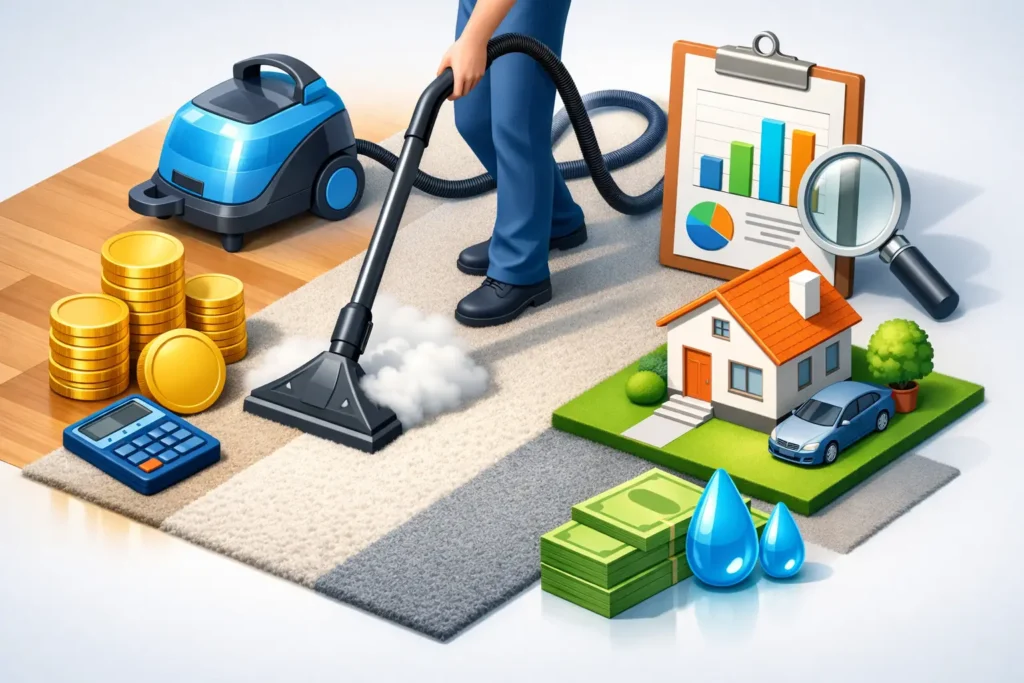
How much does steam cleaning cost for most jobs?
In Australia, steam cleaning is commonly priced either by room, by square metre, or by item. For carpets, many providers quote per room for smaller jobs and per square metre for larger or commercial spaces. Upholstery is often charged per seat or per piece. Tile, grout, mattresses and speciality surfaces may have their own pricing structure.
As a broad guide, carpet steam cleaning for residential-style spaces often starts from around $30 to $80 per room, while larger commercial carpet areas may sit anywhere from $3 to $8 per square metre depending on access, condition and volume. Upholstery cleaning might range from about $80 to $250 or more per item depending on size and fabric. These numbers are useful as a starting point, but they are not fixed. The quote can move quickly once site conditions are assessed.
That is why low advertised rates can be misleading. A price that looks competitive on paper may exclude stain treatment, deodorising, spot removal, after-hours attendance, furniture moving or drying time management.
What actually affects steam cleaning cost?
The biggest cost driver is the surface itself. Carpet in a standard office meeting room is straightforward. Carpet in a warehouse office with tracked-in soil, oil residue or heavy foot traffic is not. The more time, equipment passes and treatment required, the more the price reflects that.
Size also matters, but bigger does not always mean more expensive per metre. Large commercial sites can sometimes achieve a better unit rate because the setup time is spread across a broader area. On the other hand, small jobs can have a higher minimum charge because travel, setup and labour still apply.
Access is another factor that businesses often overlook. A ground-floor tenancy with easy equipment access is simpler than a multi-level site with lifts, restricted loading areas or limited water and power access. If the work needs to happen after hours to avoid disrupting staff or customers, that can also affect pricing.
Then there is the condition of the area. General maintenance cleaning is one thing. Heavily stained carpet, odour treatment, food spills, mould concerns or neglected upholstery will require more pre-treatment and more technician time. In some cases, full stain removal is not realistic, and a reputable provider should say that upfront rather than overpromise.
Commercial steam cleaning vs residential pricing
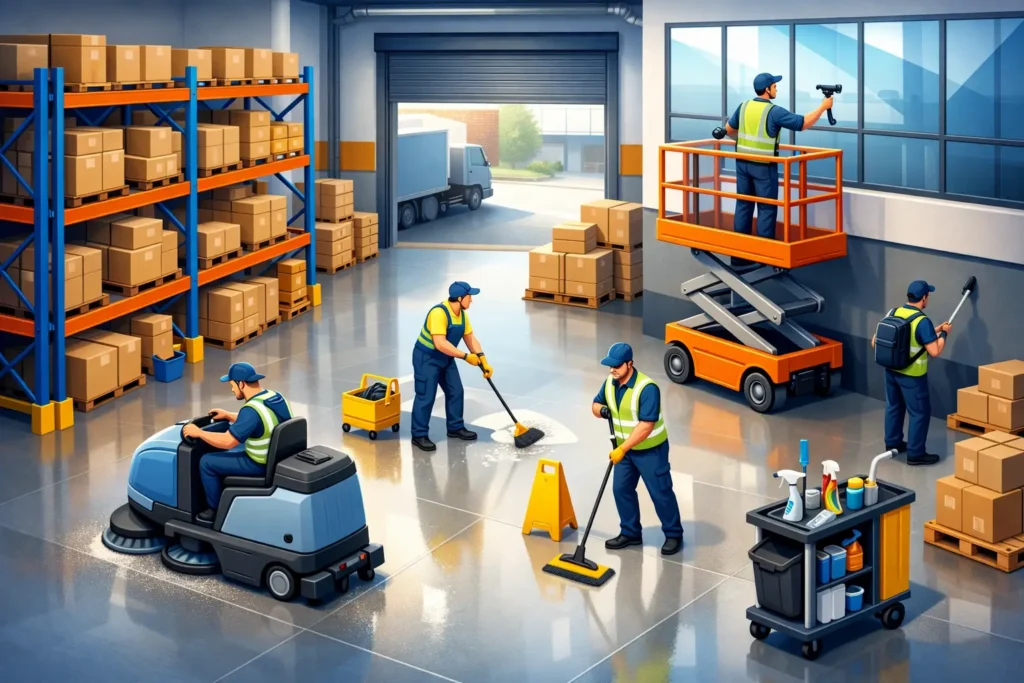
Commercial clients usually need more than a once-off clean. They need a service that fits operating hours, site access rules, compliance requirements and presentation standards. That changes the pricing conversation.
A commercial steam cleaning quote may include site inspection, scheduling around staff or customers, risk controls, reporting, and coordination with regular cleaning programs. If the work is part of a broader maintenance plan, pricing can be more efficient than booking isolated one-off jobs.
This is where cheap quotes often fall short. A low-cost provider may complete the clean, but if they arrive late, miss sections, fail to communicate, or leave carpets too wet for next-day use, the real cost to the business is higher than the invoice. Reliability matters just as much as rate.
How much does steam cleaning cost for carpets?
Carpet is the most common steam cleaning request, and pricing usually depends on area, layout and wear. A lightly used office with open-plan carpet tiles is typically faster to clean than a fitted carpet with multiple rooms, furniture obstacles and stubborn staining.
For smaller spaces, you may receive a room-based rate. For larger offices, retail spaces or medical centres, square metre pricing is usually more accurate. Expect higher pricing where stain treatment, sanitising, odour control or quick drying requirements are involved.
It is also worth checking whether the quote includes pre-vacuuming, spot treatment and grooming. Some contractors quote only for the extraction stage, then charge extra for the work needed to achieve a professional result.
Upholstery, chairs and partition cleaning
In commercial settings, steam cleaning is not limited to floors. Office chairs, waiting room seating, fabric partitions and upholstered furniture often need periodic deep cleaning to manage appearance, odour and hygiene.
These items are usually priced individually because fabric type, size and soil level vary widely. A standard office chair will cost less than a large reception lounge or multiple booth seats in a hospitality venue. Delicate materials can also require lower-moisture methods or specialised products, which can affect cost.
For businesses, upholstery cleaning is often most cost-effective when bundled with carpet cleaning or a wider deep clean. Combining services reduces setup inefficiencies and makes scheduling easier.
Why some steam cleaning quotes are much cheaper
When one quote comes in far below the others, there is usually a reason. Sometimes the contractor is pricing to win the job and planning to add extras later. In other cases, the service may be rushed, under-resourced or not truly steam cleaning at all.
It is also common to see basic quotes that do not include stain treatment, deodorising, moving light furniture, or enough time for difficult areas. The result may look acceptable at first glance but fail to meet hygiene, presentation or drying expectations.
A professional quote should be clear about scope. It should explain what is included, what is excluded, expected drying time, access requirements and any limitations around stain removal. That level of transparency helps businesses compare providers properly, rather than comparing a complete service with a cut-price partial one.
When paying more makes financial sense
Not every site needs premium pricing, but there are situations where paying more is the smarter option. Medical centres, childcare environments, customer-facing retail stores and hospitality venues all have higher reputational and operational risks if cleaning is substandard.
The same applies to end-of-lease situations, where poor results can create disputes or require rework. In these cases, paying for an experienced team with proper systems, quality control and reliable attendance often saves money overall.
For larger sites across South-East Melbourne, the value is often in consistency. A provider that turns up on time, works to schedule, communicates clearly and delivers the same standard each visit reduces the internal time your team spends chasing issues.
How to compare steam cleaning quotes properly
Price matters, but it should be assessed alongside scope and delivery. When reviewing quotes, look at whether the provider has inspected the site or is estimating blindly. Check how they are measuring the job, what treatment steps are included, and whether they have explained likely outcomes honestly.
It also helps to ask about drying times, technician experience, insurance, scheduling flexibility and whether they can work around your operating hours. For commercial sites, communication and accountability are part of the service. If a provider cannot give clear answers before the job starts, that usually does not improve once work is underway.
If steam cleaning is likely to be a repeat requirement, ask whether it can be built into a regular maintenance program. That often produces better long-term presentation and more predictable costs than waiting until carpets and upholstery are heavily soiled.
The best way to budget for steam cleaning
If you are planning ahead, the most practical approach is to treat steam cleaning as scheduled maintenance rather than a reactive expense. High-traffic areas wear faster, trap more soil and need more frequent attention. Waiting too long can increase the cost of recovery and shorten the life of carpets and furnishings.
For offices, retail spaces and other commercial sites, a site-specific quote is the only reliable way to budget accurately. It accounts for access, floor area, traffic levels, surface types and operational constraints. That is far more useful than relying on generic online price ranges.
For businesses that want reliable outcomes rather than guesswork, a detailed quote should show exactly what is being cleaned, when it will be done, and what result to expect. That is the difference between simply buying a cheap clean and securing a service that protects your presentation, supports hygiene standards and minimises disruption.
A fair steam cleaning price is not the lowest number on the page. It is the one that delivers the result you need, on the schedule you need, without creating more work for your team afterwards.