



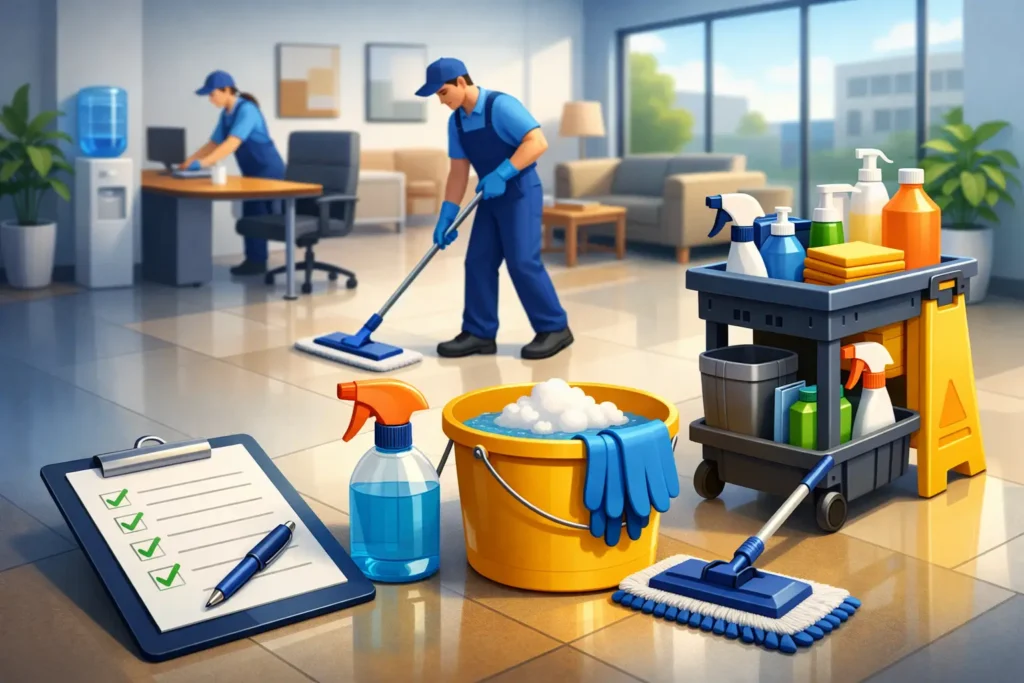
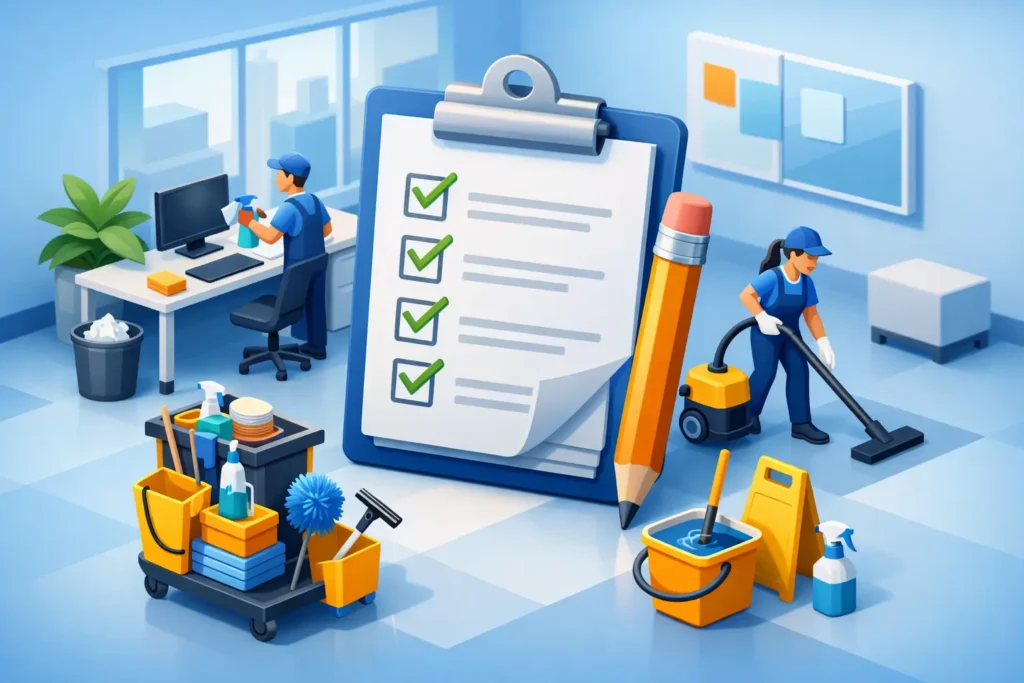
A clean office usually stops being noticed right up until something slips. Smudged glass at reception, overflowing bins in the kitchen, dusty vents near workstations – these are the small signs staff and visitors pick up quickly. The best office cleaning schedule prevents that drift by setting a clear standard, matching cleaning frequency to actual office use, and removing the guesswork that leads to inconsistent results.
For most businesses, the issue is not whether cleaning matters. It is whether the schedule is realistic, consistent and detailed enough to keep standards up without disrupting the workday. That is where many offices come unstuck. A schedule that looks good on paper can still fail if it ignores staff numbers, shared amenities, visitor traffic or the difference between appearance cleaning and hygiene cleaning.
What makes the best office cleaning schedule work
The best office cleaning schedule is built around risk, traffic and visibility. In practical terms, that means the busiest and most noticeable areas need more frequent attention than low-use zones. Entry points, kitchens, bathrooms and meeting rooms affect staff experience and client perception far more quickly than a locked archive room or occasional-use storage area.
A good schedule also separates daily presentation tasks from deeper maintenance work. If everything is treated as urgent, cleaners rush and important details get missed. If everything is pushed to a weekly visit, standards drop between cleans. The right approach is layered. Daily tasks maintain order and hygiene. Weekly tasks deal with build-up. Monthly and periodic tasks protect the condition of the workplace over time.
This matters even more in growing businesses. Once headcount increases, a cleaning plan that worked for ten people often fails at twenty. More lunches in the fridge, more rubbish, more bathroom use, more fingerprints on glass, more pressure on shared spaces. The schedule needs to scale with the workplace, not stay fixed while usage changes.
Daily cleaning tasks that should not be skipped
Daily cleaning is the baseline for any office that wants to stay professional and hygienic. It should focus on high-contact and high-visibility areas first. That usually includes emptying bins, replacing liners where needed, wiping kitchen benches, sanitising sinks and taps, cleaning bathroom fixtures, restocking consumables and vacuuming or mopping key traffic paths.
Reception areas should also be checked daily. Dust on the front desk, marks on entry glass and tracked-in dirt near the door create an immediate impression that the workplace is not being managed properly. For client-facing offices, this is not cosmetic nit-picking. It is part of how the business presents itself.
Workstations are more flexible. In some offices, desk cleaning is part of the contract and can be done nightly around monitors, phones and exposed surfaces. In others, especially where confidential documents are left out, cleaners focus on floors, bins and accessible touchpoints only. It depends on the site and how the office operates after hours.
Kitchens need particular attention. They tend to break down first because responsibility is blurred. Staff assume someone else will wipe the microwave or clear crumbs from the bench. A proper daily schedule removes that uncertainty. It sets the expectation that food prep areas, handles, appliance fronts and sink zones are cleaned as a matter of routine.
Weekly and fortnightly tasks that lift standards
A strong office cleaning routine is not just about what happens every night. Weekly and fortnightly tasks are what stop gradual decline. These jobs often include more detailed vacuuming, edging carpets, spot-cleaning walls and partitions, polishing glass, disinfecting hard-touch surfaces more thoroughly, and cleaning under accessible furniture.
Meeting rooms should also be reviewed at this level. They often look tidy because they are reset between uses, but table edges, chair arms, screens, switches and skirting boards collect grime over time. If these areas are missed for too long, the office starts to look superficially clean rather than consistently maintained.
This is also the right frequency for checking less obvious issues such as fingerprints on internal glass, dust on low ledges, marks around light switches and build-up near door frames. These details matter because they are exactly the kind of inconsistency decision-makers notice when they feel they are paying for a service that should already be under control.
Monthly tasks in the best office cleaning schedule
Monthly cleaning should handle the work that protects the workplace over the long term. This includes high dusting, cleaning vents and air return grilles, wiping skirting boards, detailed bathroom descaling, deep kitchen attention, and more thorough treatment of carpets or hard floors depending on wear.
If the office has upholstered seating, monthly inspection is worthwhile even if full steam cleaning is less frequent. Stains and odours become harder and more expensive to remove when they are left too long. The same applies to grout, corners, behind bins and under kitchen appliances where practical.
A monthly review should also consider whether the schedule itself is still right. If consumables are running out early, bins are consistently overfilled or bathrooms are dropping below standard before the next service, the problem may not be cleaner performance. It may be that the frequency no longer matches the site.
How to set the right frequency for your office
There is no single schedule that suits every workplace. A small professional office with eight staff and limited visitor traffic may only need light weekday cleaning and a deeper weekly service. A larger office with rotating teams, daily visitors and shared breakout areas may need five-night cleaning plus daytime touchpoint support.
The easiest way to set frequency is to assess four things: staff numbers, public traffic, shared amenities and compliance expectations. Medical consulting rooms, childcare-adjacent admin spaces and offices attached to industrial sites usually need more frequent attention because hygiene risk is higher. Traditional admin offices may be more presentation-driven, but that does not mean standards can be relaxed.
Timing matters too. After-hours cleaning suits many businesses because it reduces disruption. But daytime cleaning can be a better fit where bathrooms, kitchens and reception need attention during operating hours. In busy sites, a mixed model often works best – scheduled evening cleaning backed by targeted day support.
Common scheduling mistakes that create inconsistent results
One of the biggest mistakes is using a generic checklist across every site. Offices do not all function the same way, so cleaning plans should not be copied and pasted. A warehouse office attached to a dusty industrial site has different needs from a corporate suite or allied health practice.
Another common problem is overloading a short service window. If too many tasks are assigned to too little time, corners will be cut. Floors may get done while glass, touchpoints or kitchen details are missed. On paper the schedule looks complete. In reality it becomes a race to finish the visible basics.
Poor communication causes just as many issues as poor cleaning. If there is no reporting, no inspection process and no clear ownership of site standards, small misses become recurring problems. That is why structured service plans tend to outperform ad hoc arrangements. Businesses need to know what is being done, when it is being done and how quality is being checked.
For many South-East Melbourne businesses, especially multi-use commercial sites, a customised schedule is the difference between constantly managing cleaning issues and having the service run properly in the background. NovaOne Property Services works in that performance-focused space, where reliability and accountability matter as much as the cleaning itself.
A practical office cleaning framework
For a typical office, the most effective structure is simple. Daily service should cover bins, bathrooms, kitchens, touchpoints, floors in high-traffic areas and basic presentation. Weekly service should focus on detail work, internal glass, edges, meeting rooms and accumulated dust. Monthly service should address high dusting, vents, skirting, deeper washroom and kitchen cleaning, and any periodic floor or upholstery needs.
That framework is only the starting point. If your staff regularly eat at their desks, carpet care may need more attention. If clients come through reception all day, front-of-house presentation should be checked more often. If your office sits within a warehouse or factory environment, soil levels at entries and shared amenities will likely push cleaning frequency up.
The right schedule should feel controlled, not excessive. Staff should notice the office stays clean without constantly seeing cleaners fix the same issues. Managers should not need to chase basic tasks. And if usage changes, the cleaning plan should be adjusted before standards drop, not after complaints start.
The best office cleaning schedule is the one that matches how your workplace actually runs. When the frequency is right, the tasks are clear and the service is monitored properly, cleaning stops being a management problem and starts doing what it should – supporting a safer, sharper and more reliable workplace every day.