

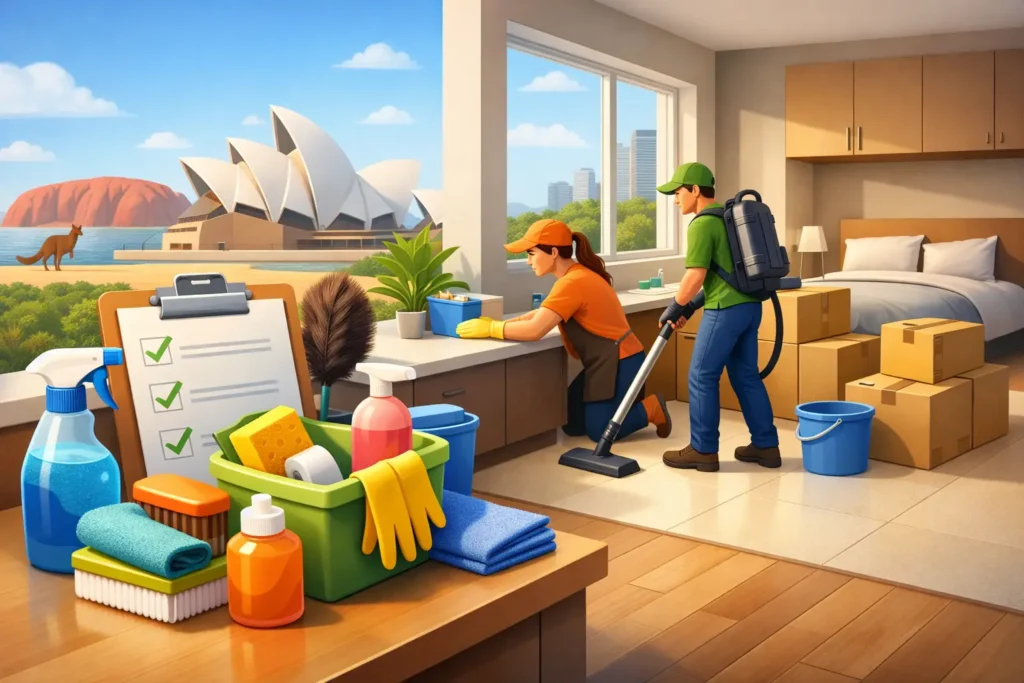
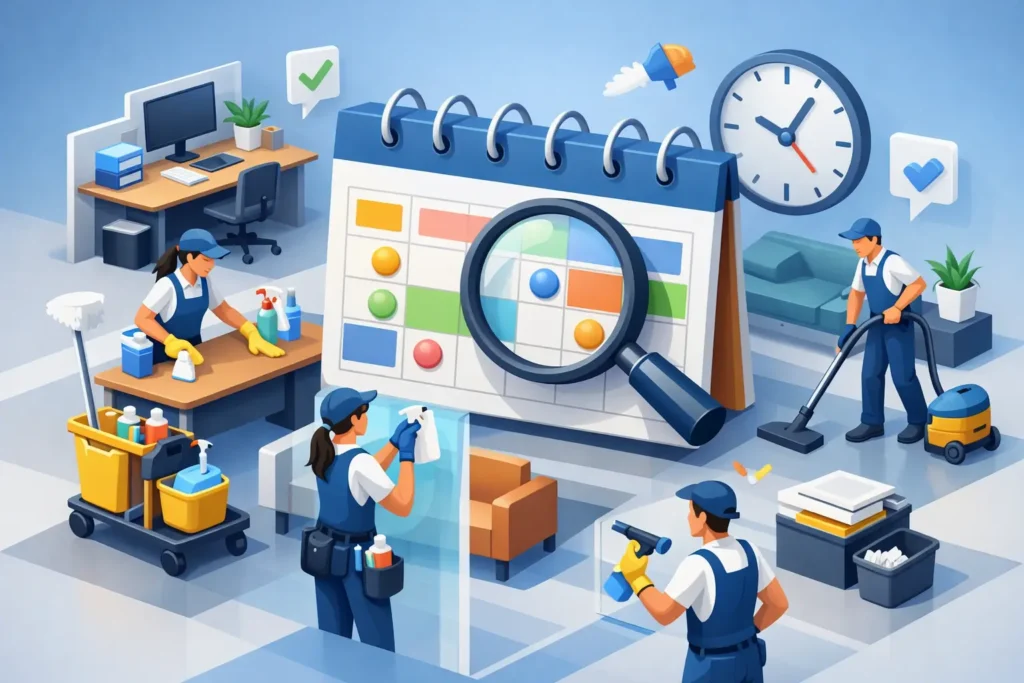
Keys handed over, furniture booked, staff roster updated – and then someone opens the door to a dusty floor, marked glass and a kitchenette that clearly was not cleaned properly. A solid move in cleaning checklist Australia businesses can rely on is not about appearances alone. It protects first impressions, helps avoid delays and gets a site ready for staff, customers and compliance from day one.
For commercial spaces, move-in cleaning is different from a quick tidy-up. Offices, medical suites, retail sites, warehouses and hospitality venues all have different risk points. Some need presentation to be spotless before clients arrive. Others need dust, debris and high-touch surfaces addressed before operations can start safely. The right checklist keeps the process structured instead of reactive.
Why a move-in clean matters more in commercial spaces
When a business moves into a new premises, cleaning often gets squeezed between fit-out work, deliveries and contractor access. That is usually where problems start. Builders’ dust settles after the final inspection, stickers stay on glass, storage areas collect packaging waste and washrooms are technically installed but not properly sanitised.
That creates two issues. First, the site does not present professionally. Second, your team starts work in a space that still needs attention. That means operational time is spent chasing tasks that should have been completed before opening.
A proper move-in clean gives site managers control. It sets a clear standard before stock arrives, before workstations are occupied and before customers walk through the door. In high-traffic sectors such as medical, hospitality or retail, that standard also affects safety and confidence.
Move in cleaning checklist Australia businesses can use
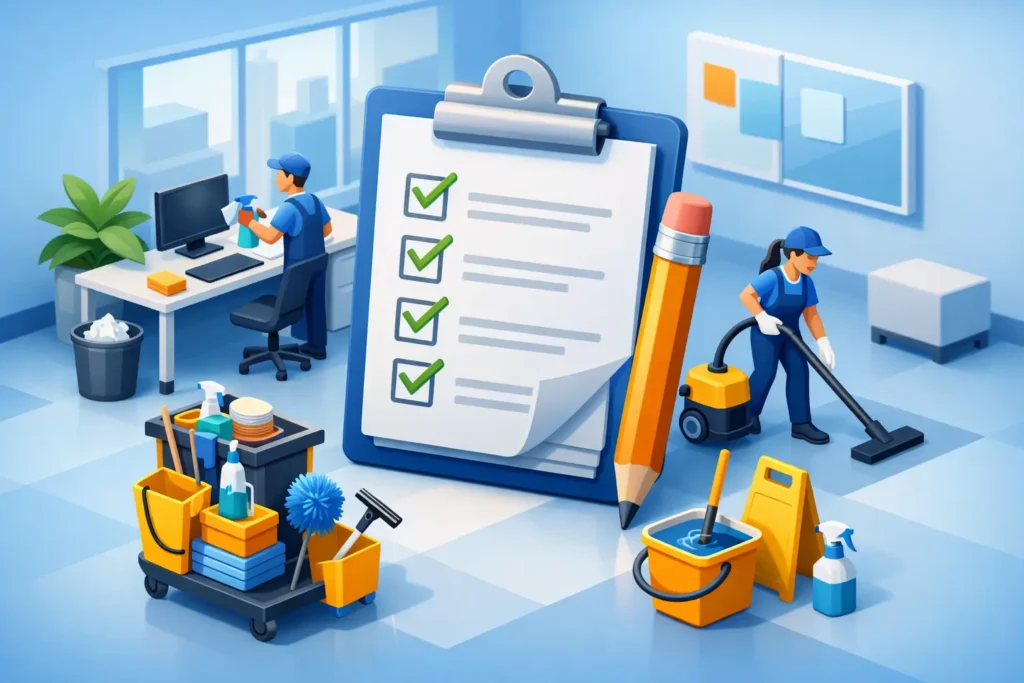
The best checklist is not the longest one. It is the one that matches the site. A warehouse with office amenities needs a different approach to a clinic or boutique retail shop. Still, most commercial move-in cleans should cover the same core zones.
Entry, reception and shared presentation areas
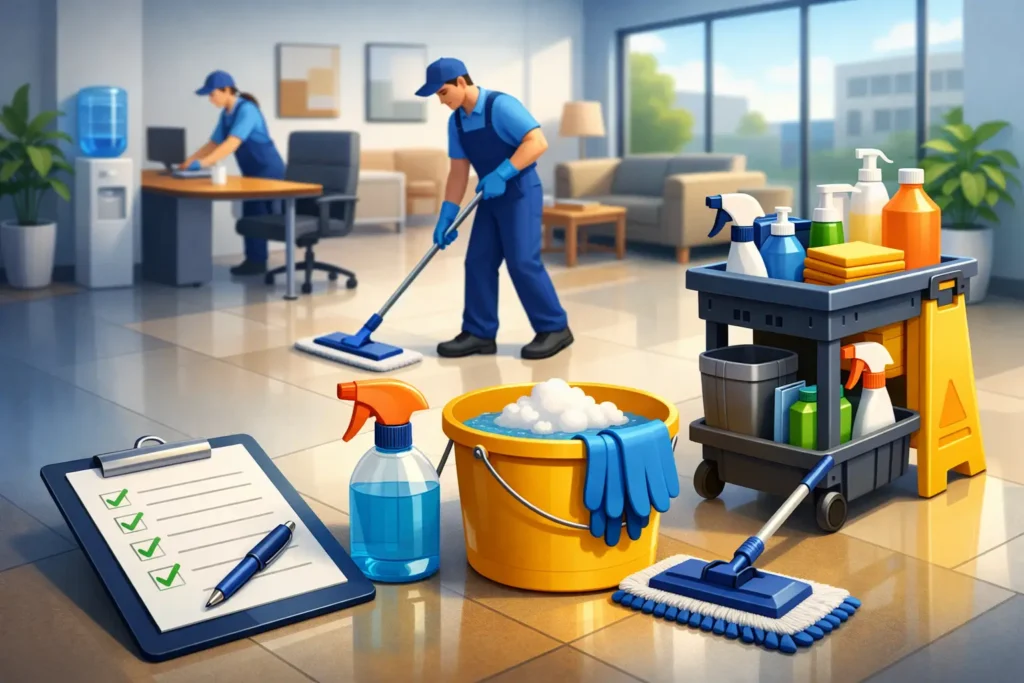
These are the first spaces staff and visitors notice, so visible detail matters. Floors should be vacuumed or mopped according to surface type, with corners and edges checked for dust buildup. Glass entry doors, sidelights and internal partitions need to be cleaned without streaking. Door handles, push plates, intercoms and light switches should be sanitised, not just wiped.
Reception desks, counters, ledges and skirting boards also need attention. If the space has signage, display shelving or waiting furniture already installed, those surfaces should be dust-free and ready for use.
Offices, meeting rooms and work areas
In office environments, a move-in clean should focus on the surfaces people will use immediately. Desks, tables, joinery, window sills and power points often collect fine dust during vacancy or fit-out periods. Carpets may need a detailed vacuum and hard floors may need more than a basic mop if there is adhesive residue or scuffing.
Air vents, blinds and internal glass are often missed. They are also some of the first things staff notice once sunlight hits the room. If the site has compactus units, built-in cabinetry or storage cupboards, internal shelves should be wiped before files, equipment or stock are loaded in.
Kitchens, staff rooms and breakout spaces
These spaces need cleaning that goes beyond surface presentation. Benches, sinks, taps, splashbacks and cupboard fronts should be degreased and sanitised. Inside cupboards and drawers should be checked for dust, crumbs or debris left by previous occupants or trades.
If appliances are included, the fridge, microwave and dishwasher should be cleaned internally and externally before staff use them. Bin areas should be sanitised and floors should be cleaned properly around kickboards and under movable items. In staff spaces, poor cleaning is noticed quickly and complained about even faster.
Bathrooms and washrooms
Washrooms should be treated as ready-for-use spaces, not last-minute add-ons. Toilets, basins, taps, partitions, mirrors and dispensers need full sanitation. Tile grout, corners and splash areas should be checked for residue, mould or soap buildup.
Consumables matter here too. If the site is opening immediately, toilet paper, hand soap and paper towel levels should be confirmed. A washroom can technically be clean but still not be operational.
Warehouses, back-of-house and storage zones
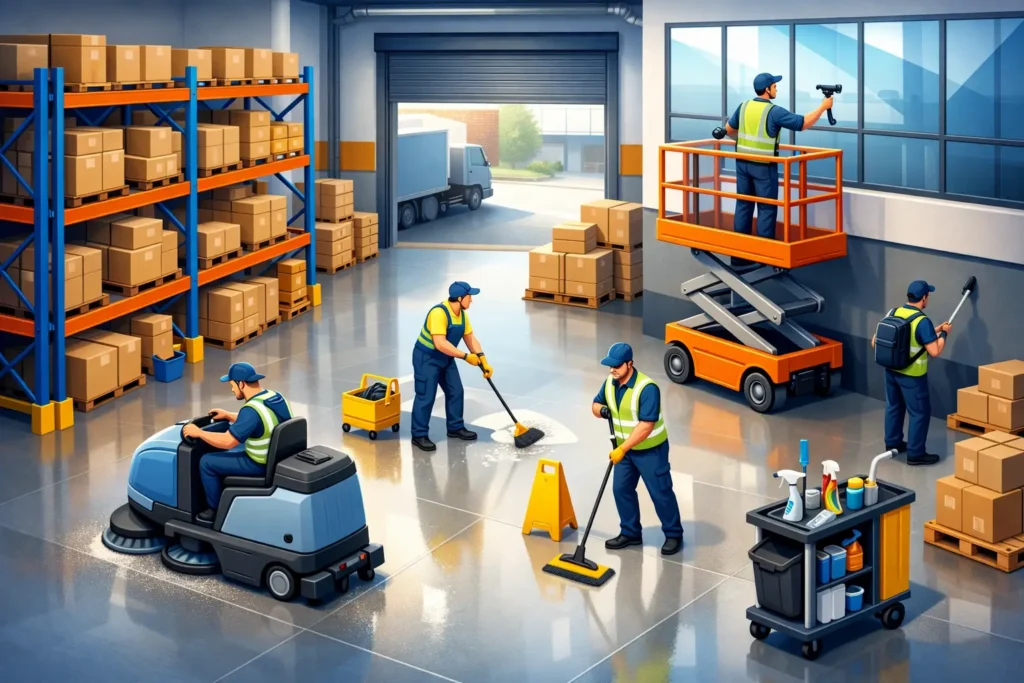
Industrial and logistical spaces are often less focused on appearance and more on functionality, but that does not reduce the need for a proper clean. Dust on racking, debris in corners, packaging waste and dirty amenities create avoidable issues once forklifts and stock movements begin.
Concrete floors may need machine scrubbing depending on the site condition. Roller doors, handrails, lunchrooms, office pods and shared touchpoints should also be included. In warehouse settings, the practical question is simple: can the team move in and operate without first stopping to clean up someone else’s mess?
Medical, childcare and high-compliance environments
For clinics, allied health spaces and childcare settings, expectations are higher from the start. Cleaning needs to support hygiene, not just presentation. Treatment rooms, consult spaces, reception counters and wash areas all need detailed disinfection of touchpoints and surfaces.
It also helps to separate standard cleaning from any compliance-specific requirements. Some sites need documented processes, approved products or additional attention to floors, fittings and hand-contact points. In these environments, a generic checklist is rarely enough.
What gets missed most often
The biggest cleaning failures are usually not dramatic. They are small, visible oversights that suggest the whole site was rushed. Light switches with hand marks, dusty skirting boards, fingerprints on glass, internal cupboard dust and grime around taps are common examples.
Floor transitions are another issue. A hard floor may look clean in open areas but still have dust trapped along edges or under fixed joinery. In commercial kitchens and staff rooms, grease on vertical surfaces is often overlooked because it is less obvious until the space is in use.
Timing also affects quality. If cleaning happens too early, follow-up dust and trade traffic undo the result. If it happens too late, the move-in starts before the site is ready. The best outcome usually comes when cleaning is scheduled after final access by trades but before furniture, stock or staff arrive in full.
Should you use a standard checklist or a site-specific one?
It depends on the premises and how the business will use it. A simple office tenancy may only need a structured general clean with carpets, glass and amenities covered thoroughly. A mixed-use site with office, warehouse and staff facilities usually needs a broader scope. Medical, food and childcare settings often need an even tighter process.
That is why generic consumer checklists can fall short for business use. They tend to focus on domestic tasks and miss operational details such as high-touch point sanitation, back-of-house cleaning, floor machine work or readiness for staff occupancy. For commercial operators, the better approach is a checklist built around risk, presentation and opening-day functionality.
How to plan a commercial move-in clean properly
Start with a walkthrough before the booking is locked in. That makes it easier to identify flooring types, access restrictions, after-hours requirements and any problem areas that will need more time. It also prevents underquoting and rushed work on the day.
Next, decide what standard the site needs to meet. There is a difference between looking presentable and being fully operational. If staff are moving in the next morning, kitchens, bathrooms and touchpoints need a higher level of detail than a vacant site waiting another week for fit-out.
Finally, align cleaning with the broader move plan. Lift bookings, alarm access, final trade attendance and furniture delivery all affect timing. Reliable providers treat this as part of site readiness, not a stand-alone task. That structured approach is one reason commercial operators often prefer a performance-focused team such as NovaOne Property Services when consistency and accountability matter.
A practical move-in standard to aim for
A good commercial move-in clean should leave the space ready to work, not just ready to inspect. Floors should be clean under normal traffic and close inspection. Glass should be clear. Bathrooms should be sanitary and stocked. Kitchens should be usable. High-touch surfaces should be disinfected. Storage, shelving and joinery should be free from dust and residue.
Most importantly, your team should be able to walk in, set up and start without losing time to basic cleaning issues. That is the benchmark worth using.
Moving premises already creates enough pressure around access, logistics and deadlines. Cleaning should remove friction, not add to it. If your checklist is clear, site-specific and timed properly, the new space starts the way it should – clean, ready and under control.